Trouble Passing Urine? Get Clarity on Prostate Treatment Options
- Senior Urologists with 20–25+ years experience
- All Options: Medical Therapy, Lifestyle Plan, Minimally Invasive, Laser, TURP, HoLEP/ThuLEP, Rezum, UroLift, iTind, PAE, Robotic Surgery
- Fast Review of Your PSA, USG, MRI & Flow Tests with a Clear Next Step

Dr. Kanishk Patil, Urologist
MCh (Uro), MRCS (UK)
Book a Free Consultation
Our Impact
0.0★
Center Reviews
0+
Patients Treated
0
Cities (India & UAE)
0+
Procedures
Our Doctors
Meet Our Specialists
Swipe to view all 2 specialists
Vascular & Neuro IR
Stroke Intervention, Aortic Aneurysms, Liver Cancer (TACE/RFA)









Senior Interventional Radiologist
Cross-Border IR Expertise with Global Techniques







Vascular & Neuro IR
Stroke Intervention, Aortic Aneurysms, Liver Cancer (TACE/RFA)
Senior Interventional Radiologist
Cross-Border IR Expertise with Global Techniques
Why Choose This
Key Benefits
Not Every Prostate Problem Needs Surgery
- Many men improve with medicines and lifestyle optimisation
- Surgery depends on prostate size, symptoms, flow rates and risk factors
- Plan is based on PSA, MRI, prostate size and your exact symptoms—not fear
All Modern Prostate Treatments Under One Roof
- Medical therapy and lifestyle management for early or moderate symptoms
- Minimally invasive options like Rezum, UroLift, iTind, and PAE when suitable
- Laser (HoLEP/ThuLEP), TURP and Robotics for large glands or cancer when required
Why Choose Us for Prostate Care?
- Only Senior Urologists & Uro-oncology Experts (20+ yrs exp)
- 30+ Partner Hospitals with Advanced Lasers, Imaging & Robotics
- End-to-End Insurance Assistance & Cost Transparency
- Free Pickup & Drop, Family Coordination & Report Management
Who Should Not Delay Evaluation?
- Men with severe frequency, urgency, or slow stream
- High PSA or rising PSA over time
- Blood in urine, recurrent infections or retention episodes
- Very large prostates or failed response to medicines
- Suspicion of cancer on MRI or by doctor advice
About the Procedure
Right Prostate Treatment, First Time, With Minimal Intervention
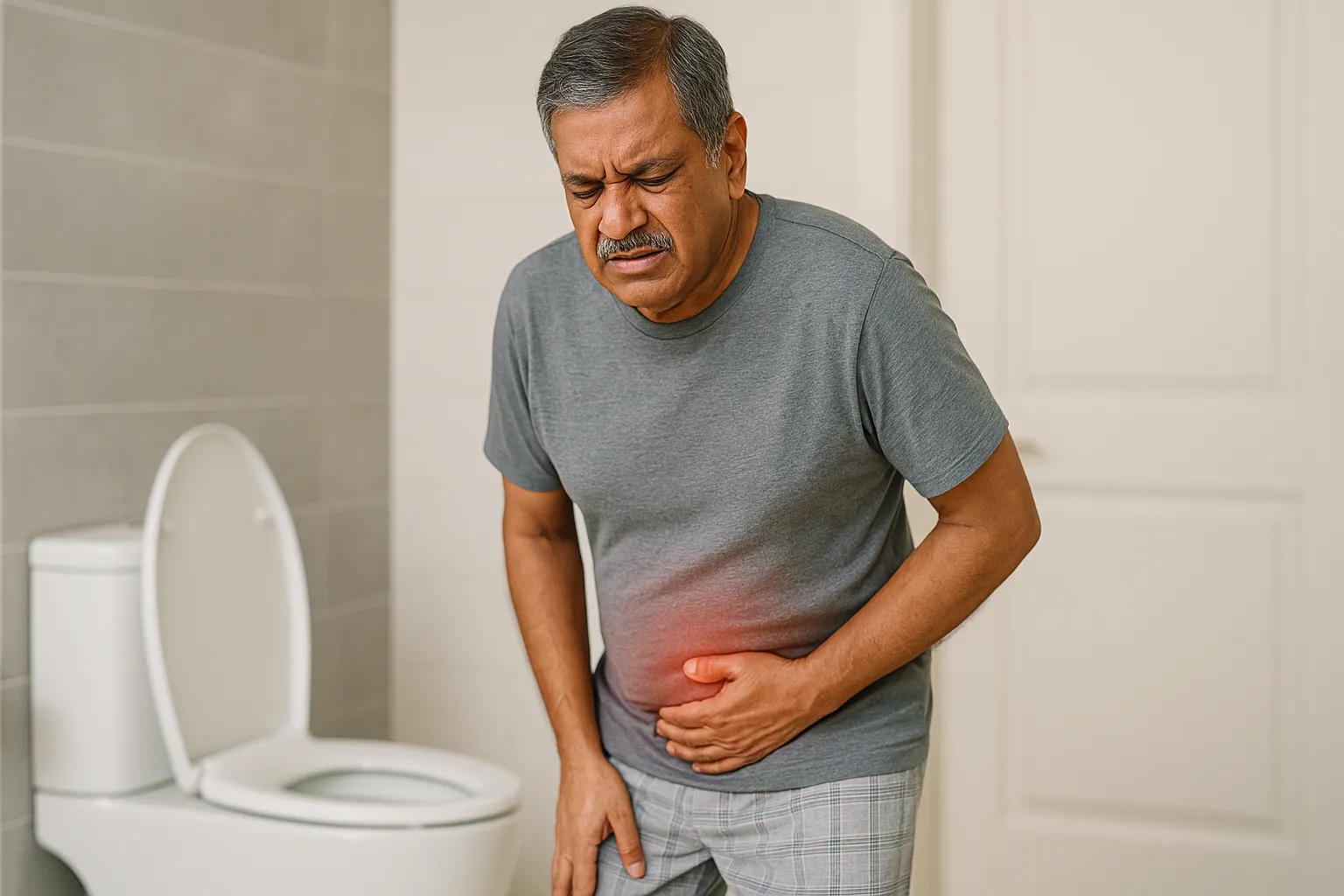
Every prostate condition is different. Best outcomes come from matching the right treatment to your exact PSA trend, MRI findings, prostate size, urinary symptoms and cancer risk. Our senior urologists review your reports and guide you through medicines, lifestyle changes, minimally invasive options (Rezum, UroLift, iTind, PAE), laser surgeries (HoLEP/ThuLEP), TURP or robotics—only when truly needed. Goal: safest recovery, long-term relief and maximum preservation of function.
Watch
How We Help Prostate Patients Choose the Safest, Least Invasive Treatment
Why Us
Key Features
Treatment Only After Correct Evaluation
Least Invasive & Most Effective Option First
Evidence-Based and Risk-Free Planning
30+ Advanced Urology & Oncology Centres
Compare
MyDocsy vs Others
All causes assessed: BPH, cancer, infection, bladder issues
All options: Medical/MIS/Laser/TURP/PAE/Robotics
Structured PSA/MRI/Flow test interpretation
Transparent pros/cons even when surgery not needed
End-to-end coordination (reports/slots/insurance)
Learn More
About the Procedure
What to Do When You First Get Symptoms or Reports
- Upload PSA, USG, MRI or flow test (a clear photo on WhatsApp works)
- Share symptoms: weak stream, night frequency, urgency, burning or retention
- Share blood/urine tests and any prior prostate treatments if available
- Our urologist identifies if it is BPH, infection, cancer risk or bladder dysfunction
- You receive a personalised, structured next step instead of generic advice
How We Decide the Right Treatment for Your Prostate
- PSA trend, MRI score and prostate size are reviewed carefully
- Flow rate, post-void residual and symptoms determine severity
- Early cases may need medicines + lifestyle changes only
- Moderate cases may benefit from Rezum, UroLift, iTind or PAE
- Large prostates or severe obstruction may need HoLEP/ThuLEP or TURP
- Cancer-suspected cases follow MRI-based biopsy or active surveillance pathways
If a Procedure Is Needed – What to Expect
- We guide you on the safest modality: Rezum, UroLift, iTind, PAE, HoLEP/ThuLEP, TURP or robotics
- Clear cost range with insurance/cashless eligibility checked upfront
- Pre-procedure optimisation: infection control, blood tests and anaesthesia fitness
- Most procedures have 1–2 day hospital stay with fast return to routine
- We plan follow-ups, PSA monitoring, stent removal (if needed) and recovery tracking
FAQs