Beat Kidney Cancer Without Surgery with Cryoablation
- India's Top Interventional Oncologists (20+ yrs exp)
- No Cuts, No Kidney Removal, No Blood Loss
- 2 hour painless CT-guided procedure, same day discharge

Dr. Kanishk Patil, Urologist
MCh (Uro), MRCS (UK)
Free Teleconsult
India slots closing soon
Book a Free Consultation
Our Impact
0.0★
Center Reviews
0+
Patients Treated
0
Cities (India & UAE)
0+
Procedures
Our Doctors
Meet Our Specialists
Swipe to view all 6 specialists

Uro-Oncology & Robotic Surgery
Prostate cancer • Kidney cancer • Robotic surgery




Senior Urologist
Prostate surgery • Kidney stones • Complex urology

Robotic Urologist & Uro-Oncologist
Advanced prostate surgery • Cancer surgery • Laser prostate

Vascular & Neuro IR
Stroke Intervention, Aortic Aneurysms, Liver Cancer (TACE/RFA)









Senior Interventional Radiologist
Cross-Border IR Expertise with Global Techniques







Consultant Urologist
Prostate enlargement • BPH treatment options • Kidney stones
Uro-Oncology & Robotic Surgery
Prostate cancer • Kidney cancer • Robotic surgery
Senior Urologist
Prostate surgery • Kidney stones • Complex urology
Robotic Urologist & Uro-Oncologist
Advanced prostate surgery • Cancer surgery • Laser prostate
Vascular & Neuro IR
Stroke Intervention, Aortic Aneurysms, Liver Cancer (TACE/RFA)
Senior Interventional Radiologist
Cross-Border IR Expertise with Global Techniques
Consultant Urologist
Prostate enlargement • BPH treatment options • Kidney stones
Why Choose This
Key Benefits
Benefits of Kidney Cryoablation
- Freezes Tumour Only, Preserves Healthy Kidney
- No Cuts, CT-Guided Needle Through the Skin
- Same-Day Discharge, Back to Life in Days
Why Avoid Partial or Radical Nephrectomy?
- 20–30% risk of long-term kidney function loss
- 4–6 weeks off work for open/lap surgery
- 5–10% risk of major bleeding / transfusion
Why Choose MyDocsy?
- Senior Interventional Oncologists (20+ yrs exp)
- 6 World-Class Centres with CT-Guided Cryo Suite
- End-to-End Insurance Claims Processing Handholding
- Free Pickup & Drop, Meals For Family
Who is a Good Candidate for Cryoablation?
- Patients with small renal masses under 4cm (T1a)
- Single-kidney patients or reduced kidney function
- Elderly or high surgical-risk patients
- Those on blood thinners who cannot stop meds
- Anyone wanting to avoid open/lap surgery
About the Procedure
Kill the Tumour. Save the Kidney.
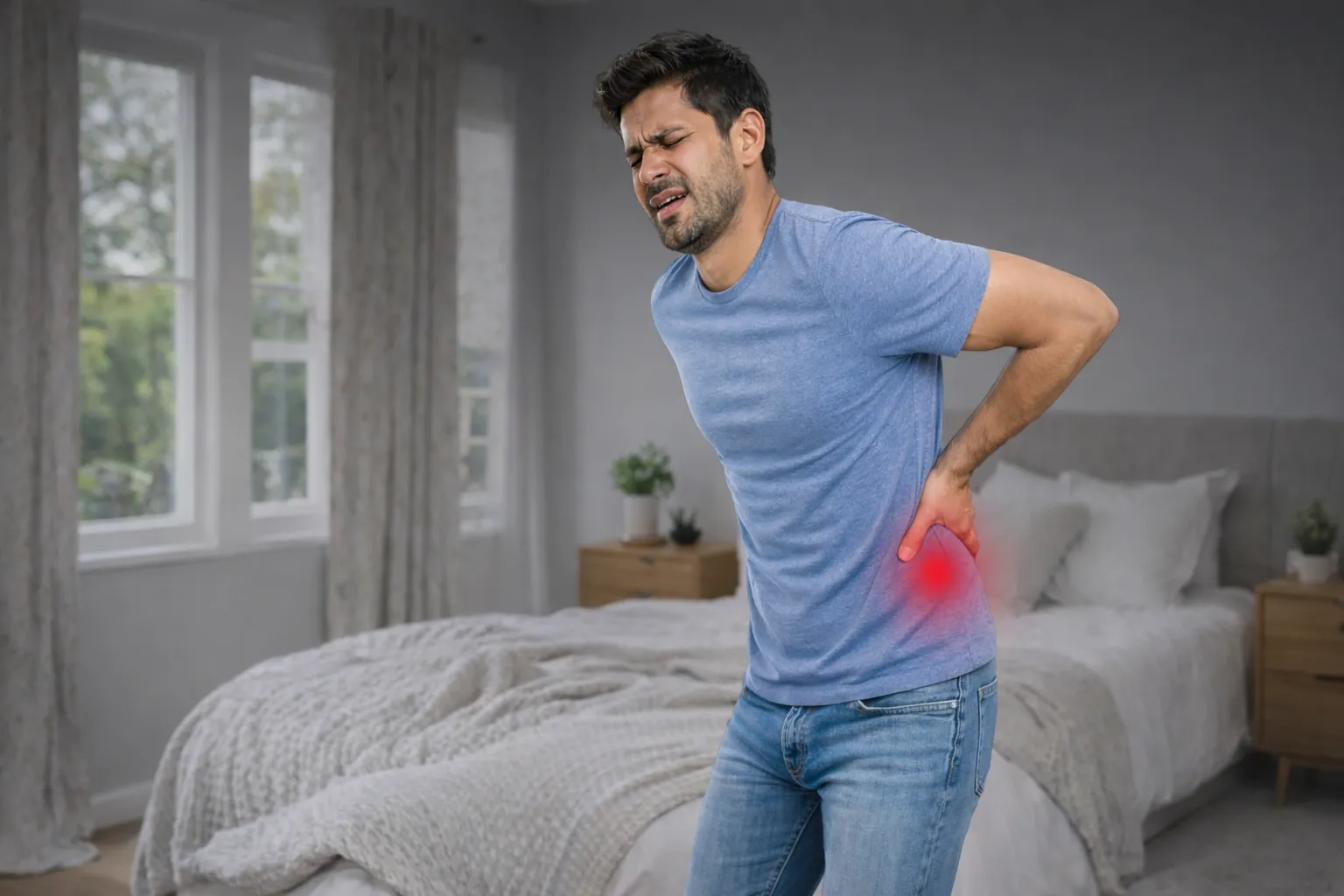
Percutaneous Renal Cryoablation is a US-FDA cleared, minimally invasive alternative to partial or radical nephrectomy for small renal masses up to 4cm. A Senior Interventional Oncologist inserts thin needles through the skin under live CT guidance and freezes the tumour at -40°C—no cuts, no blood loss, no kidney removal. Unlike surgery, cryoablation avoids the risk of permanent kidney function loss, 5–7 day hospital stays and 4–6 week recoveries, with equivalent cancer-control outcomes at 5+ year follow-up for small tumours.
Why Us
Key Features
20+ Yrs Avg. IR-Oncologist Experience
100% Kidney-Preserving
Same-Day Discharge
6 NABH-Certified Locations
Compare
MyDocsy vs Others
Kidney function preservation
Major incision / open or lap surgery
5–7 day hospital stay
4–6 weeks off work / recovery
Blood transfusion risk
Repeatable if new tumour appears
Learn More
About the Procedure
How to Prepare for Your Cryoablation
- Contrast CT/MRI to map tumour location
- Kidney biopsy if not already done
- 6-hr fasting before your procedure
- Tell us all your medications
- Day-care admission, no major paperwork
What Happens During Cryoablation
- IR-Oncologist places thin cryoprobes into the tumour via the skin under live CT guidance, then freezes it at -40°C in controlled cycles. Lasts 1.5–2 hours under sedation or spinal anaesthesia.
- Sedation or spinal anaesthesia only
- No cuts, no sutures, no blood loss
- Real-time CT guidance throughout
What to Expect After Cryoablation?
- Discharge within 6 hours
- Resume work in 3–5 days, normal activity in a week
- No catheter, no drainage tube
- Follow-up CT/MRI at 3 and 6 months
FAQs